What is Ghandarah?
Ghandarah is a cultural initiative dedicated to preserving and celebrating Palestinian and global craft traditions. Through workshops, collaborations, and a carefully curated shop, we create spaces where heritage, identity, and creativity meet.
Where does the name “Ghandarah” come from?
The name Ghandarah (غَنْدَرَة) comes from the Arabic word that describes elegance, beauty, and a graceful way of carrying oneself. It reflects cultural pride, dignity, and resilience. For us, it symbolizes how heritage and craftsmanship are not only about preserving the past but also about carrying it forward with strength and beauty.
What is the difference between Ghandarah’s Concept Store and Heritage Studio?
At Ghandarah, we bring heritage to life in two complementary ways:
The Concept Store: A curated shop where you can discover and purchase handmade crafts, heritage-inspired designs, and fair-trade pieces. Each item carries a story of identity, resilience, and artistry.
The Heritage Studio: A learning and cultural space dedicated to exchange and creativity. Here, we host workshops, storytelling gatherings, film screenings, and dialogues. Offering a living experience of heritage beyond objects.
Together, they form the heart of Ghandarah: one space to carry heritage into your home, and another to live, share, and create it.
Why is craft important to Ghandarah?
Craft is more than objects, it is memory, heritage, and identity. In the Palestinian context, it is also a form of resilience and resistance against cultural erasure.
Where are you based?
We are based in the Netherlands, with roots in Palestine. Our work bridges cultures and communities through both local activities and online platforms.
Frequently Asked Questions
Can I collaborate with Ghandarah?
Yes! We welcome collaborations with artisans, artists, cultural organizations, and activists who share our vision. If you are interested in creating together, let’s connect.
We also welcome those who would like to volunteer their time or skills to support Ghandarah’s workshops, events, or community projects. Every contribution helps us grow and keep heritage alive.
Please reach out through our Contact page to start the conversation.
How does Ghandarah support artisans?
We work closely with artisans to ensure fair trade, ethical practices, and recognition of their craft. Each purchase directly supports makers and helps keep traditions alive.
Where can I follow your updates?
You can find us on Instagram, Facebook, and YouTube, or subscribe to our newsletter for updates on workshops, new products, and collaborations.
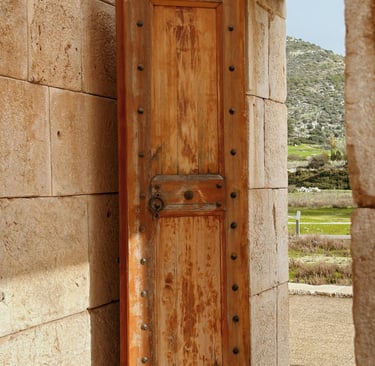
What kind of products do you offer?
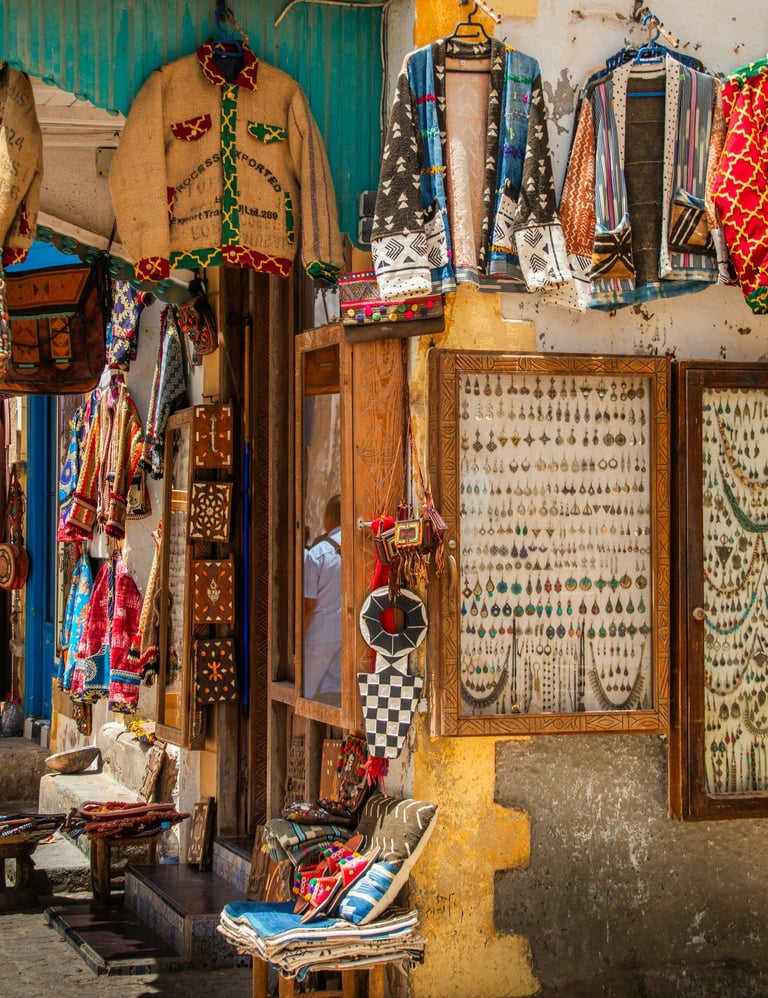
We offer handmade crafts such as embroidery, ceramics, jewelry, and heritage-inspired items. Each piece is rooted in tradition and carries the story of its makers.
The Concept Store
Do you only work with Palestinian crafts?
While Palestinian crafts and embroidery (Tatreez) are at the heart of our work, Ghandarah also collaborates with artisans and heritage projects from different cultures. We believe in exchange, dialogue, and weaving traditions together.
Are your products fair trade?
Yes. We work directly with artisans and small workshops to ensure fair pay, ethical practices, and respect for traditional craftsmanship.
Do you ship internationally?
Yes, we do!
1. Direct Checkout: Our store is currently set up for automatic checkout to the following countries:
Netherlands
EU Zone 1: Belgium, Germany, and Luxembourg.
EU Zone 2: France, Italy, Spain, Austria, Denmark, and more.
Non-EU Europe: United Kingdom, and Norway.
2. Other Countries: Don't see your country at checkout? We would love to help! Please send us an email at contact@ghandarah.nl with the items you are interested in and your location. We will provide you with a custom shipping quote and help you complete your order manually.
Please note: For orders outside the EU, the customer is responsible for any local import duties and customs fees.
What payment methods do you accept?
We offer secure payments through iDEAL, Bancontact, and major Credit Cards via our partner, Stripe. Your financial data is always encrypted and safe.
Are the items unique?
Yes. Many of our products are one-of-a-kind or produced in small batches. Handmade means no two pieces are exactly the same.
How do I care for my item?
Care instructions are included with each product. Because they are handmade, we recommend gentle use and proper storage to preserve their quality.
Can I return or exchange a product?
We accept returns and exchanges within a set period (please see our policy page for details).
Do your products come with a story or background information?
Yes. Every piece at Ghandarah comes with a story card that shares its background, from the artisan who made it, to the cultural meaning of the design, and the heritage it carries. We believe each item is not only an object, but also a story of memory, identity, and resilience.
How much does shipping cost?
Shipping is calculated automatically at checkout based on your delivery destination and the weight of your order. We do not make a profit on shipping fees.
The Netherlands:
€3.95 (Letterbox Tracked) for small, flat items.
€5.95 (Standard Parcel) for larger or fragile items.
FREE shipping on all NL orders over €50.
Belgium, Germany & Luxembourg:
€9.50 (Small Tracked) or €12.50 (Standard Parcel).
FREE shipping on all orders over €85.
Other EU & International Destinations:
Shipping starts from €15.50 depending on the destination (e.g., France, Italy, UK).
The most accurate and fair rate will be displayed at checkout before you finalize your purchase.
Why do I see different shipping prices at checkout?
Our shipping rates are based on the weight and volume of the items in your cart. This ensures that small, light items like aren't charged the same high rate as larger, heavier pieces.
How long does delivery take?
We aim for a delivery window of 4–6 business days for standard items.
Processing: We use the first 3–4 days to carefully prepare and pack your heritage pieces.
Transit: The remaining 1–2 days are for the courier (PostNL/DHL) to deliver the package to your door.
Note: For custom or bespoke items, the timeline is longer and will be clearly communicated in your confirmation email.
Where do your products come from?
Most of our pieces are made by Palestinian artisans, while others come from collaborations with makers from different cultures.
What kind of workshops do you offer?
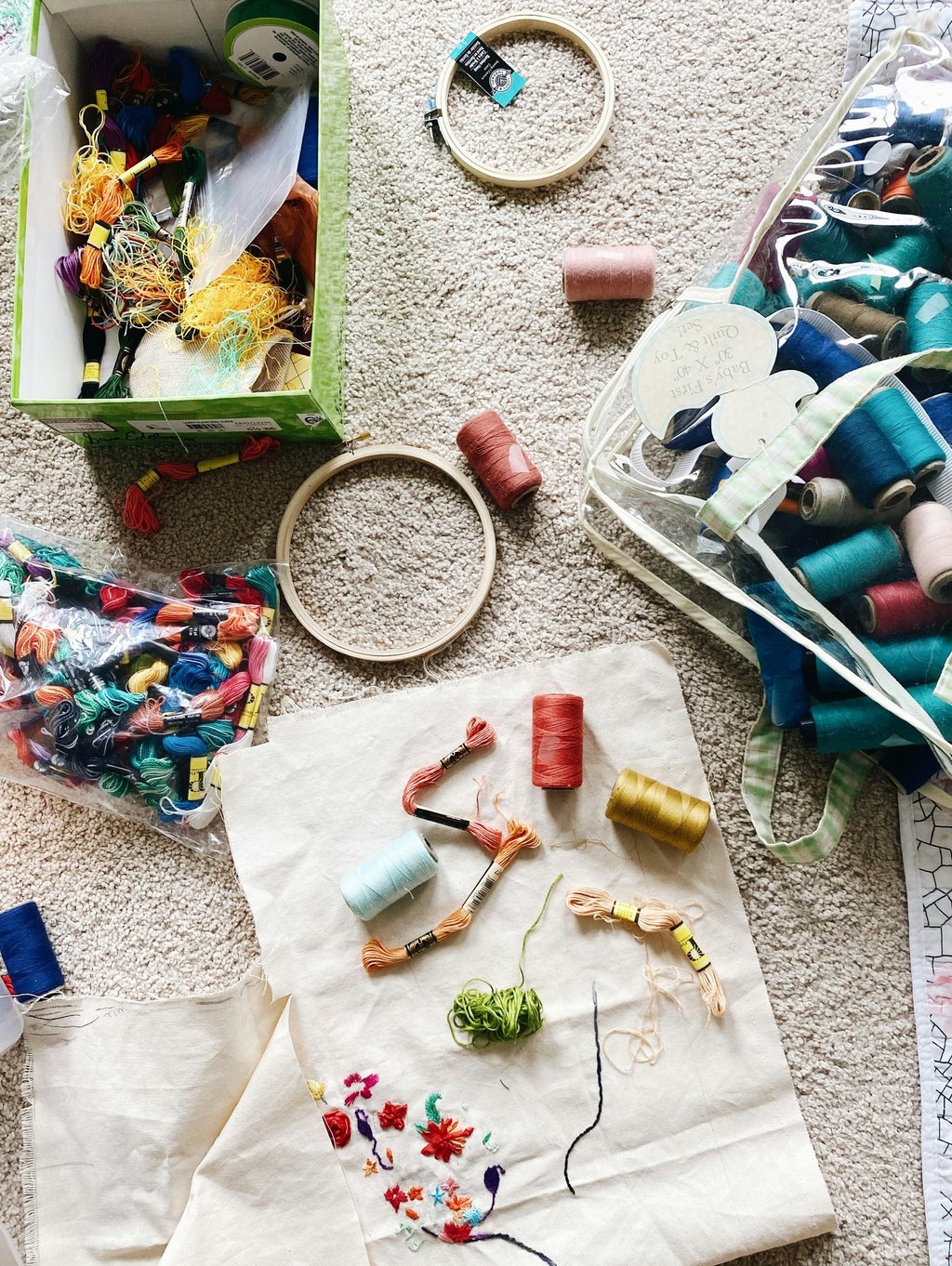
We host a variety of activities and workshops focusing on heritage, from embroidery, weaving, and ceramics to cultural exchange sessions like storytelling, film screenings, dance, and community dialogues. Each gathering is a space to learn, share, and celebrate traditions together.
The Heritage Studio
Who can join the workshops?
Everyone is welcome — from beginners to experienced makers. Our sessions are designed to be inclusive and community-oriented. Some activities are especially tailored for younger audiences, to engage them with heritage in creative and fun ways.
Each workshop description clearly states the target audience, so you can easily find the one that fits you.
How do I register?
You can register through our Workshops page. Spaces are limited, so early registration is recommended.
Do I need to bring my own materials?
Most workshops include all materials. If participants need to bring something, it will be clearly mentioned in the workshop description.
What is the language of the workshops?
Most workshops are held in English, but some are also offered in Arabic or in a bilingual format depending on the facilitator and audience. The language will always be mentioned in each workshop description.
Do you offer online workshops?
Yes, some sessions are available online for those outside the Netherlands.
Can I host a private group workshop?
Yes. We can design tailored sessions for groups of friends, organizations, or community groups.
Can I volunteer or help at the Studio?
Absolutely! Volunteers are welcome to support workshops, cultural events, and community gatherings. Please contact us if you’d like to be involved.
What are the workshop fees?
Workshop fees vary depending on the type, duration, and materials provided. Each event clearly lists the price and what it includes. Some community activities may be offered at a reduced rate or free of charge to keep them accessible.
What is the workshop duration?
Each workshop typically lasts between two to three hours, depending on the activity.
GHANDARAH Heritage Studio
+31 6 34706417
contact@ghandarah.nl
Postal Address:
Keurenplein 41 (G7772)
1069 CD, Amsterdam
KVK: 96845171
Vrijgesteld van OB o.g.v. artikel 25 Wet OB
© 2026 Ghandarah Heritage Studio. All rights reserved
Contact Us
Curating Palestinian Artistry
Need Help?